Myopia, Hyperopia, Astigmatism & Presbyopia: Understanding Your Vision
Big words. Everyday vision questions.
Why can you read your phone clearly but struggle with street signs? Why does reading feel tiring even when you can see across the room? And why are you suddenly holding the menu farther away?
Interactive vision guide
How your eyes focus
Explore how common prescriptions change where light focuses and how the world may look.

Normal vision
Light focuses directly on the retina, producing a clear image.
Myopia
Distant light focuses in front of the retina. Minus lenses move the focus back toward the retina.
Hyperopia
Relaxed focus falls behind the retina. Plus lenses can reduce the effort needed to see clearly.
Astigmatism
Uneven curves focus light differently in different directions, so details may look blurred or stretched.
Presbyopia
A less flexible natural lens cannot add enough focusing power for near work. Near-add lenses provide that additional power.
Educational simulation: prescription numbers do not predict exactly how any one person sees. An eye examination is needed to measure vision and eye health.
These are questions we love answering at New View Eye Care. Understanding your vision shouldn’t require learning a whole new language. Myopia, hyperopia, astigmatism, and presbyopia describe different ways your eyes focus light—and knowing the difference can help your prescription make a little more sense.
Our approach is simple: explain what’s happening, connect it to what you experience, and help you find comfortable, clear vision for your everyday life.
How Your Eyes Focus Light
The cornea, the clear front surface of your eye, and the lens inside your eye work together to bend light. For a sharp image, that light needs to focus on the retina at the back of the eye.
Think of it as getting the focus just right. The length of your eye, the curves of its surfaces, and the flexibility of its lens all affect where light comes together. Glasses and contact lenses adjust that focus. There’s a lot of math behind your prescription, but you don’t need to do the calculations—we’ll explain what the results mean for you.
Myopia: Clearer Up Close, Blurry Far Away
Myopia is the medical word for nearsightedness. Without correction, nearby objects generally look clearer than distant ones. You might read comfortably but squint at the television, struggle to recognize someone across the room, or have trouble seeing the classroom board.
Myopia often happens when the eye is too long for its focusing power. Light comes into focus in front of the retina rather than directly on it. Glasses or contacts help move that focus onto the retina so distant details become clearer.
Myopia commonly begins in childhood. If your child needs stronger glasses year after year, we can also discuss myopia control. These treatments aim to slow progression while providing clear vision. They don’t cure nearsightedness, but they can be an important part of caring for a child’s developing eyes.
Hyperopia: When Close Work Takes More Effort
Hyperopia means farsightedness. The name suggests that distance vision is clear and near vision is blurry, but the experience can be more complicated.
With hyperopia, the eye’s shape and focusing power would place light’s focus behind the retina when the eye is relaxed. Younger eyes can sometimes compensate by using their internal focusing system. That means someone may see clearly while still working harder than expected to maintain focus.
Reading, homework, or computer work may bring on tired eyes, headaches, or blur. With higher amounts of hyperopia, vision can be blurry at both near and far distances.
The goal is more than being able to read the letters on an eye chart. We also want to understand how comfortable your vision feels throughout the day and whether a prescription would help.
Astigmatism: It’s About the Curves
Interactive vision guide
Why astigmatism blurs vision
Compare an evenly curved surface with one that curves differently in two directions.
Even curve
Basketball-like
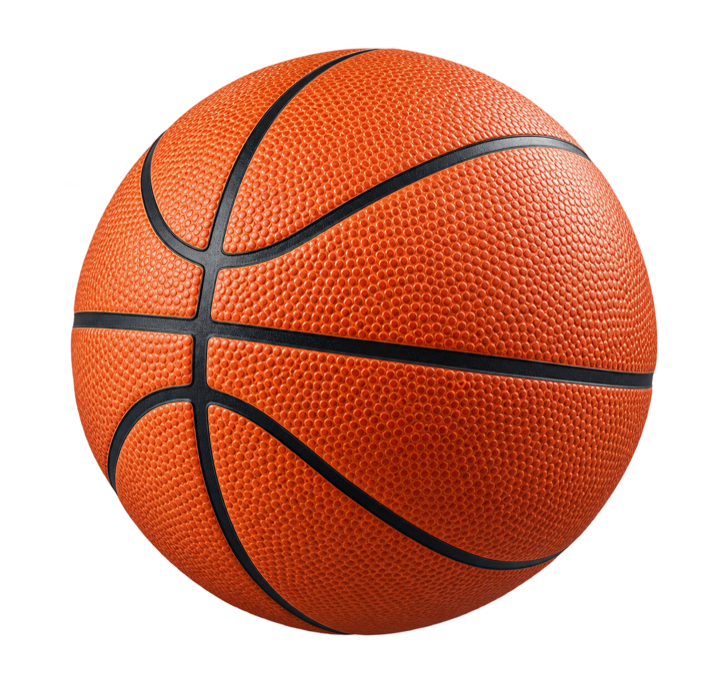
The curve is similar in every direction.
Inside the eye
Two focal lines
Astigmatism
Football-like

One meridian is steeper than the other.
What happens to light
Different curves create different focal lines
Instead of meeting at one sharp point, light focuses at different positions. The resulting retinal image may look blurred or stretched at both near and far distances.
Educational optical model—not a measurement of an individual prescription.Different curves bend light in different directions. Glasses and appropriately fitted contact lenses can usually correct astigmatism very well.
Imagine a surface that curves evenly in different directions, like a basketball. With astigmatism, the cornea often curves more in one direction than another—more like a football.
First, a little vocabulary clarification: it’s astigmatism, all one word.
That’s a simplified comparison, but it explains the idea: different curves bend light differently, so it doesn’t come together at one sharp focal point. Astigmatism can also come from the lens inside the eye.
You may notice blurred or stretched-looking details at near and far distances. Astigmatism is common, and you can have it along with myopia or hyperopia. Glasses and appropriately fitted contact lenses can usually correct it very well. Having astigmatism doesn’t automatically mean you can’t wear contacts.
Presbyopia: Why the Menu Keeps Moving Away
If your usual reading distance suddenly feels too close, presbyopia may be the reason.
Interactive vision guide
Hyperopia vs. presbyopia
Similar near-vision symptoms can come from different causes.
Hyperopia
Eye shape & focusing power

Review the schedule and confirm the next appointment.
Presbyopia
Lens flexibility changes
 Near text: moderate blur
Different causes, different prescription roles
Hyperopia relates primarily to the eye’s shape and focusing power. Younger eyes may compensate by focusing harder.
Presbyopia occurs when the natural lens becomes less flexible, reducing the ability to focus at near.
As we get older, the lens inside the eye becomes less flexible. It can’t change shape as easily to focus on nearby objects. You may find yourself holding your phone farther away, reaching for brighter lighting, or noticing that small print takes more effort.
Presbyopia typically becomes noticeable in midlife. It’s a normal age-related change, and it can develop whether you’ve always worn glasses or have never needed them.
Although both affect near vision, presbyopia and hyperopia have different causes. Hyperopia relates to the eye’s shape and focusing power; presbyopia relates to the lens losing flexibility. Reading glasses, progressive lenses, and multifocal contact lenses are among the options we can discuss.
You Can Have More Than One
These terms aren’t four separate boxes. You might be nearsighted with astigmatism, then develop presbyopia later. Your prescription can address those needs together.
The best choice depends on how you use your eyes: driving, working at a computer, reading, enjoying hobbies, or moving between all of them.
Let’s Make Your Vision Make Sense
At New View Eye Care in Berkley, Michigan, we take time to explain your prescription and answer your questions. A comprehensive eye exam helps us understand both your vision and your eye health, then recommend options that fit your needs.
Schedule your eye exam or call 248-274-4566. We’ll help you understand what you’re seeing—and how to see more clearly and comfortably.