
Pink Eye Also Known as Conjunctivitis is an Eye Infection Requiring Treatment
Pink Eye is an infection that you should not let linger. Optometrists are trained for diagnosing and caring for eye infections. If your eye is red, itchy, and has discharge please call us for a same day appointment.

Understanding Pink Eye (Conjunctivitis): What It Is, How It’s Treated, and Where to Go for the Right Care
Pink eye—medically known as conjunctivitis—is one of the most common eye conditions seen in clinical practice. Despite how frequently it occurs, it is often misunderstood, misdiagnosed, or improperly treated. For patients, that can mean prolonged discomfort, unnecessary medications, or even worsening symptoms. Understanding what conjunctivitis actually is, how it should be managed, and where to seek care can make a significant difference in outcomes.
What Is Conjunctivitis?
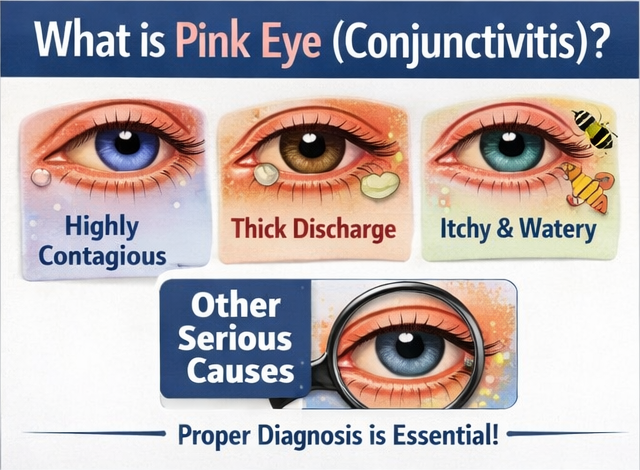
Conjunctivitis refers to inflammation of the conjunctiva, the thin, transparent tissue that lines the white part of the eye and the inner surface of the eyelids. When this tissue becomes irritated or infected, it can cause redness, discharge, tearing, and discomfort—hence the common name “pink eye.”
There are several types of conjunctivitis, and identifying the correct type is essential for proper treatment:
- Viral conjunctivitis is the most common form and is often associated with upper respiratory infections. It typically presents with watery discharge, redness, and may start in one eye before spreading to the other. It is highly contagious.
- Bacterial conjunctivitis often causes thicker, yellow or green discharge and can lead to the eyelids being stuck shut in the morning. This form is also contagious but is treated differently than viral cases.
- Allergic conjunctivitis is triggered by allergens like pollen, dust, or pet dander. It usually affects both eyes and is associated with itching, tearing, and swelling.
- Other causes can include chemical exposure, contact lens complications, or more serious underlying conditions such as keratitis or uveitis, which can sometimes mimic conjunctivitis.
Because the symptoms can overlap, a proper diagnosis is critical. What appears to be “just pink eye” could actually be something more serious that requires a different treatment approach.
Why Proper Diagnosis Matters
One of the biggest challenges with conjunctivitis is that it is frequently misdiagnosed. Many primary care providers (PCPs), urgent care clinics, and emergency rooms see a high volume of patients and may not have the specialized equipment or training needed to thoroughly evaluate the eye. As a result, they may default to prescribing broad-spectrum antibiotic drops—even when the cause is viral or allergic.
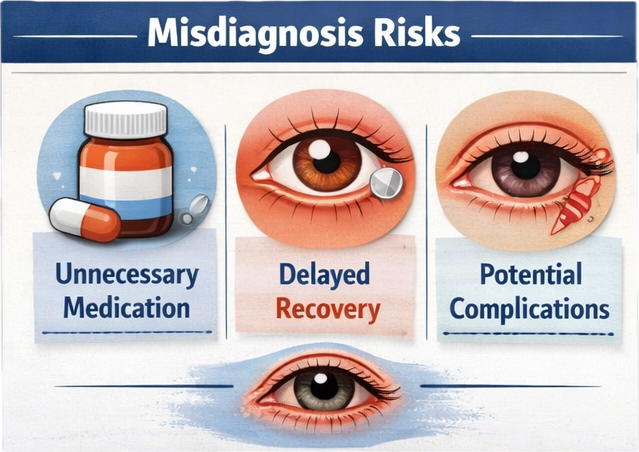
This can lead to several issues:
- Unnecessary medication use, especially antibiotics, which are ineffective against viral infections
- Delayed recovery, because the underlying cause isn’t being addressed
- Missed diagnoses, such as corneal infections or inflammatory conditions that require urgent attention
In some cases, more serious eye conditions can masquerade as conjunctivitis. Without a detailed slit-lamp examination and proper testing, these conditions may go unnoticed.
How an Optometrist Treats Conjunctivitis
Optometrists are uniquely trained to evaluate and manage eye conditions, including infections and inflammation. When you visit an optometrist for suspected conjunctivitis, the process is typically thorough but efficient.
Comprehensive Evaluation
The exam begins with a detailed history of symptoms—when they started, whether one or both eyes are affected, any recent illness, contact lens use, and exposure to others with similar symptoms. This is followed by a close examination of the eye using specialized instruments, including a slit lamp microscope, which allows for a detailed view of the conjunctiva, cornea, and surrounding structures.
Accurate Diagnosis
Based on clinical findings, the optometrist determines the type of conjunctivitis or identifies if another condition is present. This step is critical because treatment varies significantly depending on the cause.
Targeted Treatment
- Viral conjunctivitis is typically managed with supportive care—lubricating drops, cold compresses, and sometimes anti-inflammatory medications to reduce discomfort.
- Bacterial conjunctivitis may require antibiotic eye drops or ointments, but only when appropriate.
- Allergic conjunctivitis is treated with antihistamine or anti-inflammatory drops and guidance on avoiding triggers.
- Contact lens-related issues may require temporary discontinuation of lens wear and specific medications to protect the cornea.
In more complex or severe cases, additional treatments or referrals may be necessary, but most conjunctivitis cases can be effectively managed within an optometry practice.
Why Specialized Eye Care Matters
Many medical providers are excellent at managing systemic health conditions, but eye care is a highly specialized field. Evaluating the surface of the eye, distinguishing between similar-looking conditions, and understanding subtle clinical signs requires specific training and experience.
That’s why many ophthalmology offices focus primarily on surgical care and may not prioritize routine or urgent conjunctivitis cases. Similarly, urgent care centers and emergency rooms are designed to handle a broad range of conditions quickly, which can limit the depth of eye-specific evaluations.
For patients, this often means longer wait times, less precise diagnoses, and a one-size-fits-all treatment approach.
A Better Option for Eye Infections
When you’re dealing with eye redness, discharge, or discomfort, going directly to an optometry practice that is equipped for urgent care can save time and lead to better outcomes.
At New View Eye Care, the focus is on providing patient-first, full-scope eye care—including the diagnosis and management of infections like conjunctivitis. The practice is designed to handle urgent situations efficiently, with same-day appointments reserved specifically for emergencies.
This means you don’t have to wait days to be seen or sit for hours in an emergency room for a condition that can be evaluated quickly and accurately in a specialized setting.
Expertise You Can Trust
Dr. Alperin brings advanced training in corneal care and has experience working in emergency room settings. This background is particularly valuable when it comes to distinguishing between routine conjunctivitis and more serious eye conditions.
The cornea—the clear front surface of the eye—is especially vulnerable in cases of infection or inflammation. Conditions affecting the cornea can progress rapidly and require prompt, precise treatment. Having a provider with specialized knowledge in this area ensures that nothing is overlooked.
What Patients Can Expect
Patients visiting for suspected conjunctivitis can expect a streamlined, patient-centered experience:
- Easy scheduling, including same-day availability for urgent concerns
- Efficient visits that respect your time while still providing a thorough evaluation
- Clear communication about diagnosis, treatment, and what to expect during recovery
- Follow-up care, when needed, to ensure the condition is resolving properly
While many cases of conjunctivitis improve within a few days to a week, some may require monitoring or adjustments to treatment. Follow-up visits help ensure that the infection is fully resolved and that no complications have developed.
Insurance and Accessibility
One common question patients have is whether eye infections are covered by insurance. In most cases, conjunctivitis and other eye infections are billed through medical insurance, not vision plans. This is because they are considered medical conditions rather than routine eye care.
New View Eye Care works with most major vision and medical insurance providers, making it easier for patients to access the care they need. For those without insurance, there are also flexible options available to ensure that cost is not a barrier to receiving proper treatment.
When to Seek Care
If you’re experiencing symptoms such as:
- Redness in one or both eyes
- Discharge (watery, yellow, or green)
- Crusting of the eyelids
- Itching or burning
- Light sensitivity
- Blurred vision
…it’s important to have your eyes evaluated promptly. While some mild cases may resolve on their own, others can worsen without proper care.
You should seek immediate attention if you experience:
- Significant pain
- Sudden vision changes
- Sensitivity to light
- Symptoms associated with contact lens wear
These could indicate a more serious condition that requires urgent treatment.
The Bottom Line
Conjunctivitis is common, but that doesn’t mean it should be taken lightly. Accurate diagnosis and appropriate treatment are key to a quick and complete recovery. While many healthcare settings can provide basic care, a specialized optometry practice offers a higher level of precision, efficiency, and expertise.
New View Eye Care is equipped to handle these situations with a patient-first approach, same-day availability, and advanced clinical training. Whether it’s a straightforward case of pink eye or something more complex, patients can feel confident they are receiving the right care at the right time.
If you think you might have an eye infection, choosing a provider who focuses on eye health can make all the difference—not just in how quickly you feel better, but in protecting your long-term vision.